
LadyBugz Team — B2B Marketing Specialists
“A clean, modern, professional appearance builds trust — trust is essential for conversions.”
In today’s digital-first world, your website is often the first impression potential customers have of your business. But it’s not enough for a site to “look good.” Effective web design is directly tied to conversion rates — the percentage of visitors who take a desired action, like making a purchase, signing up for a newsletter, or booking a consultation.
Let’s explore how thoughtful, user-centred design can turn your website into a conversion powerhouse.
- First Impressions Matter (A Lot)
Studies show users take less than a second to form an opinion about your site. That first impression is based almost entirely on design. A clean, modern, professional appearance builds trust — trust is essential for conversions. Users may leave if your site looks outdated, cluttered, or confusing before seeing your offer.
- User Experience Drives Engagement
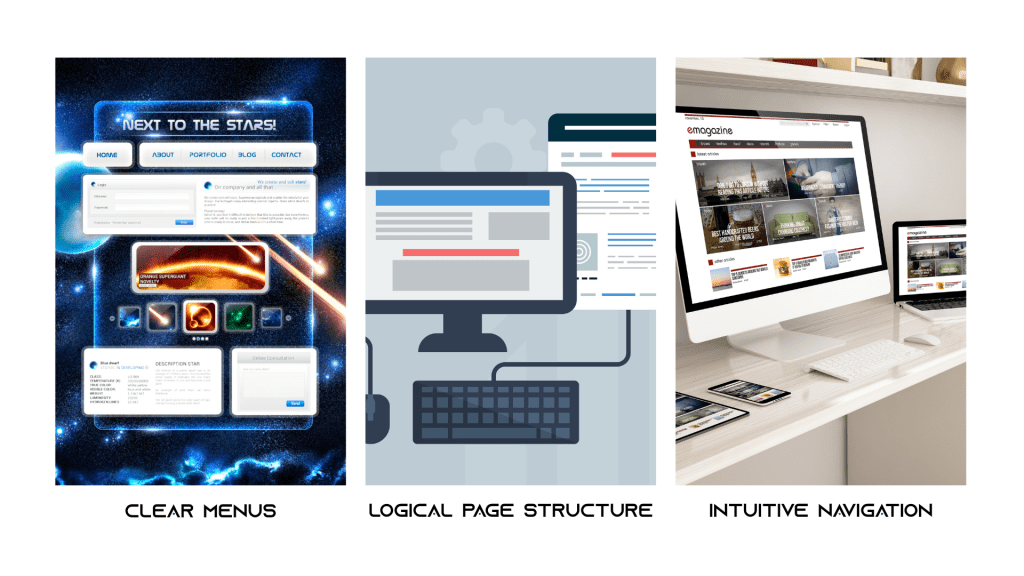
Good design is about more than aesthetics — it’s about usability. Is your site easy to navigate? Do buttons and links work as expected? Is information easy to find?
When visitors can move through your site intuitively, they’re more likely to engage with your content and follow through on calls to action (CTAs).
- Mobile-First Design Captures a Wider Audience
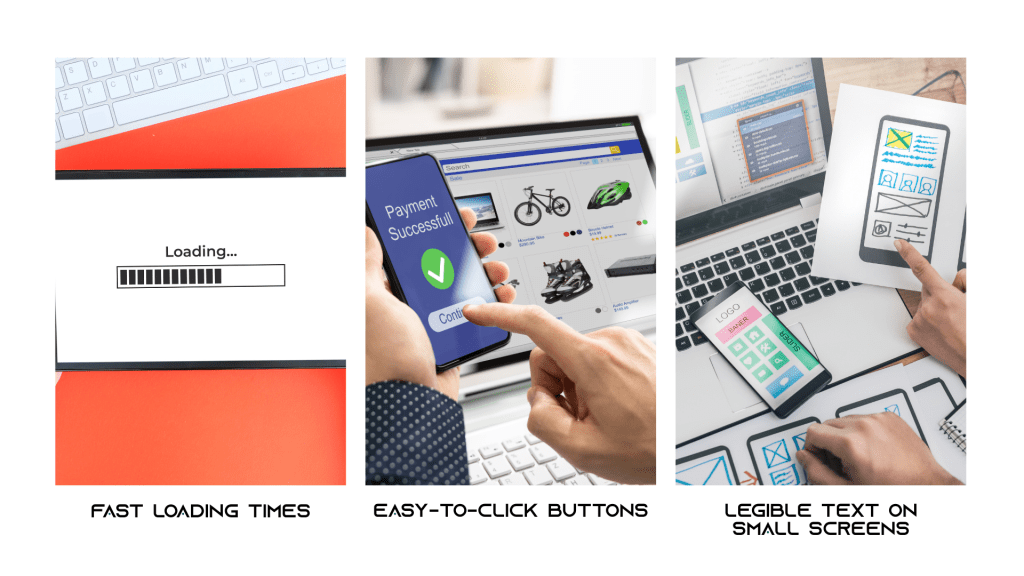
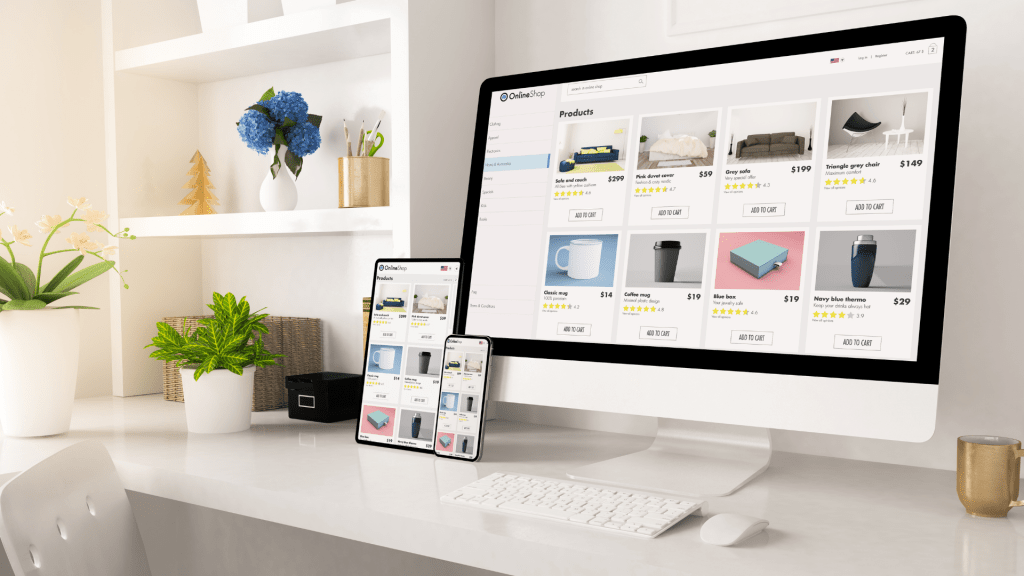
More than half of global web traffic comes from mobile devices. If your site isn’t responsive — meaning it adapts to different screen sizes — you’re likely losing potential conversions.
A mobile-first approach ensures your site loads fast, looks great, and functions smoothly on smartphones and tablets.
- Strategic CTAs Prompt Action
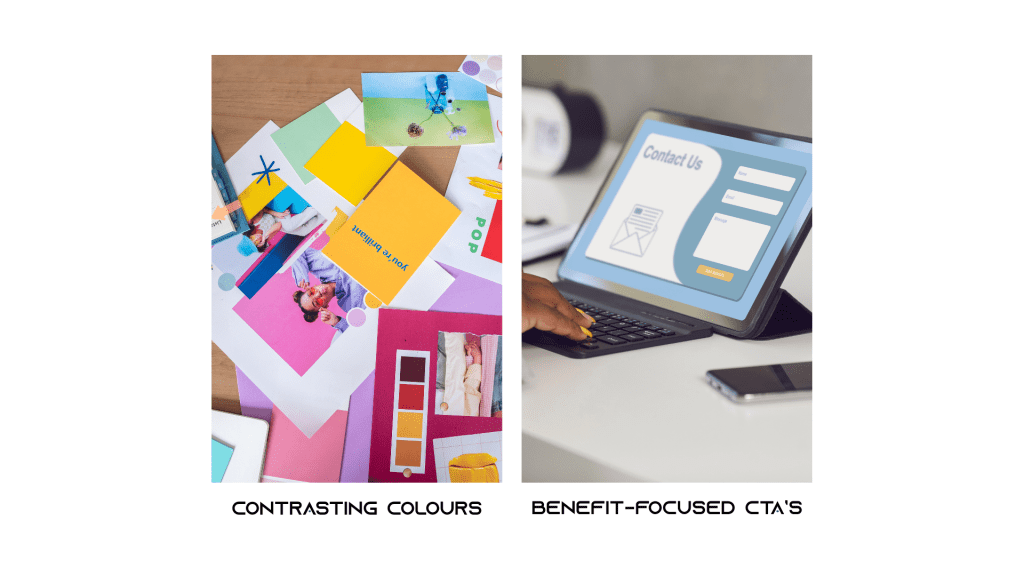
A well-designed website knows exactly where to guide the user. Strong calls to action (like “Buy Now,” “Get a Quote,” or “Download Free Guide”) should stand out visually and be placed strategically.
Effective CTAs combine design (colour, size, placement) with copywriting (clarity, urgency, value).
- Page Speed Impacts Conversion Rates
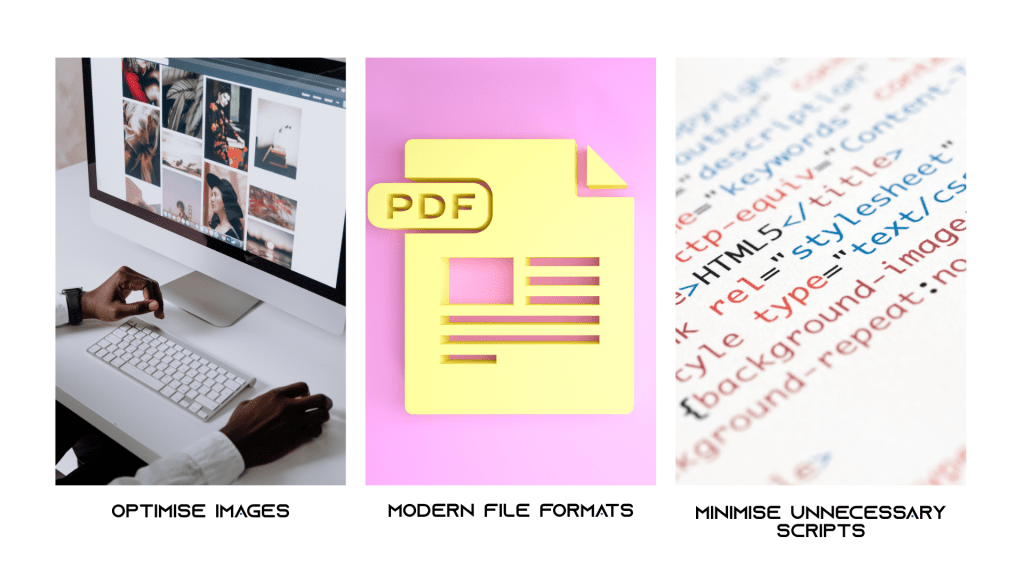
Speed is a design issue. A slow-loading site frustrates users and kills conversions. According to Google, a delay of just 1 second in page load time can lead to a 20% drop in conversion rates.
Design elements like large images, unoptimised videos, and bloated code can drag down performance.
- Trust Signals Build Confidence
Would you buy from a sketchy-looking site? Neither would your visitors. Great web design incorporates trust signals like:
- Customer reviews and testimonials
- Security badges and certifications
- Contact information and clear policies
- Professional, polished layouts
- Consistency Reinforces Brand Messaging
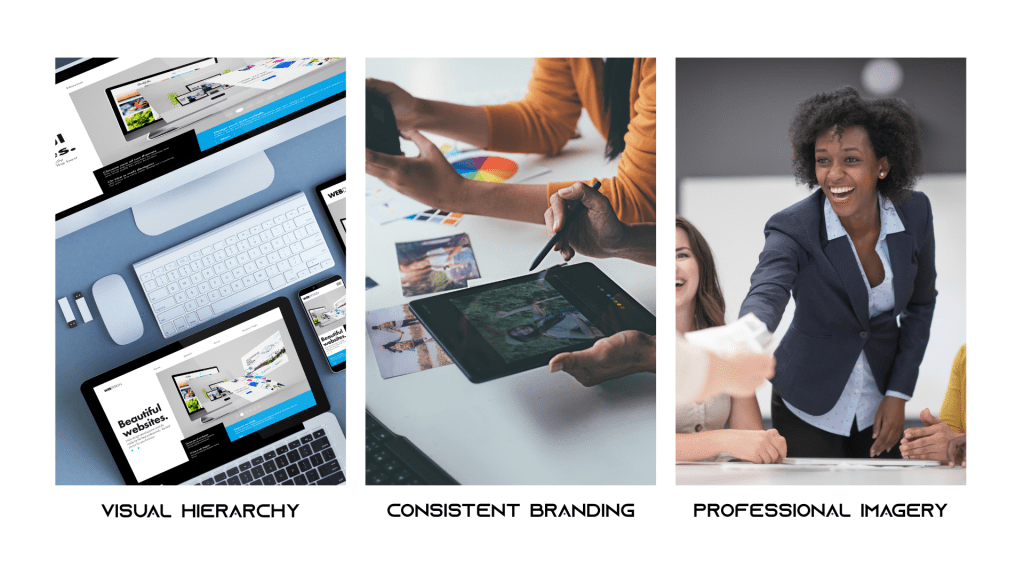
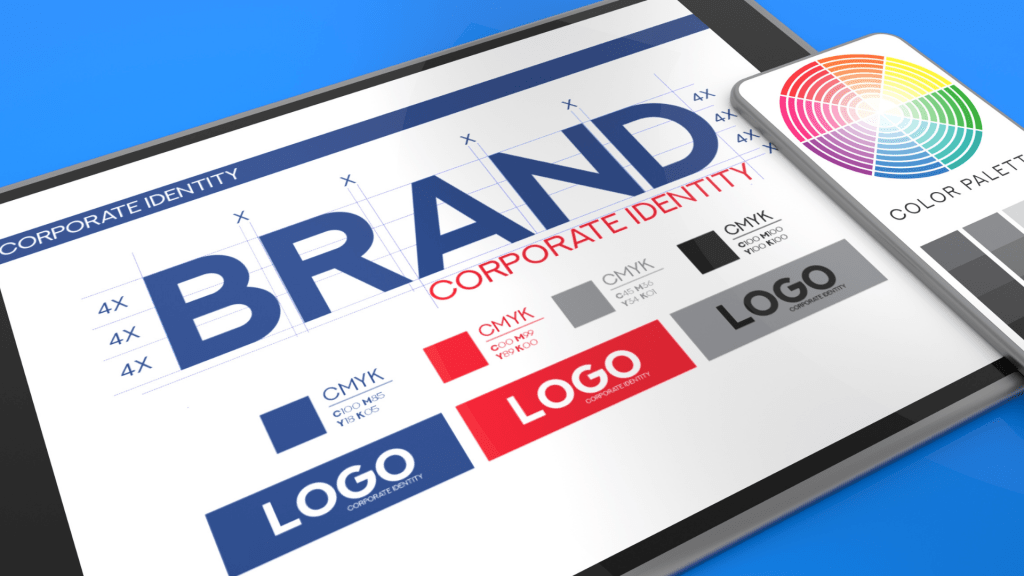
A disjointed design confuses users. A consistent visual style (colours, fonts, imagery), tone of voice, and layout across your site make the experience more cohesive and confidence-inspiring.
When your website feels intentional and professionally crafted, users are more likely to trust you and convert.
Conclusion: Design Is Not Just Decoration — It’s Strategy
Great web design isn’t just about beauty — it’s about results. When done right, it creates a smooth, engaging, and trustworthy experience that gently guides visitors toward your goals.
Design could be the missing link if your site isn’t converting the way it should.
Need help improving your website’s design for better conversions? Whether you’re launching a new site or refreshing an old one, focusing on design principles that prioritise the user can make all the difference.
Want to take your B2B marketing to the next level?
At LadyBugz Marketing, we help B2B businesses grow through strategic LinkedIn marketing, thought leadership content, and practical execution that gets results.