
Account-Based Marketing (ABM) has evolved into a cornerstone strategy for B2B marketers, enabling businesses to focus their resources on high-value accounts and deliver measurable commercial impact. As ABM continues to grow in importance, LinkedIn has emerged as a powerful platform for engaging target accounts and driving meaningful results. Here’s how you can use LinkedIn as a key tool in your ABM strategy.
Why LinkedIn for ABM?
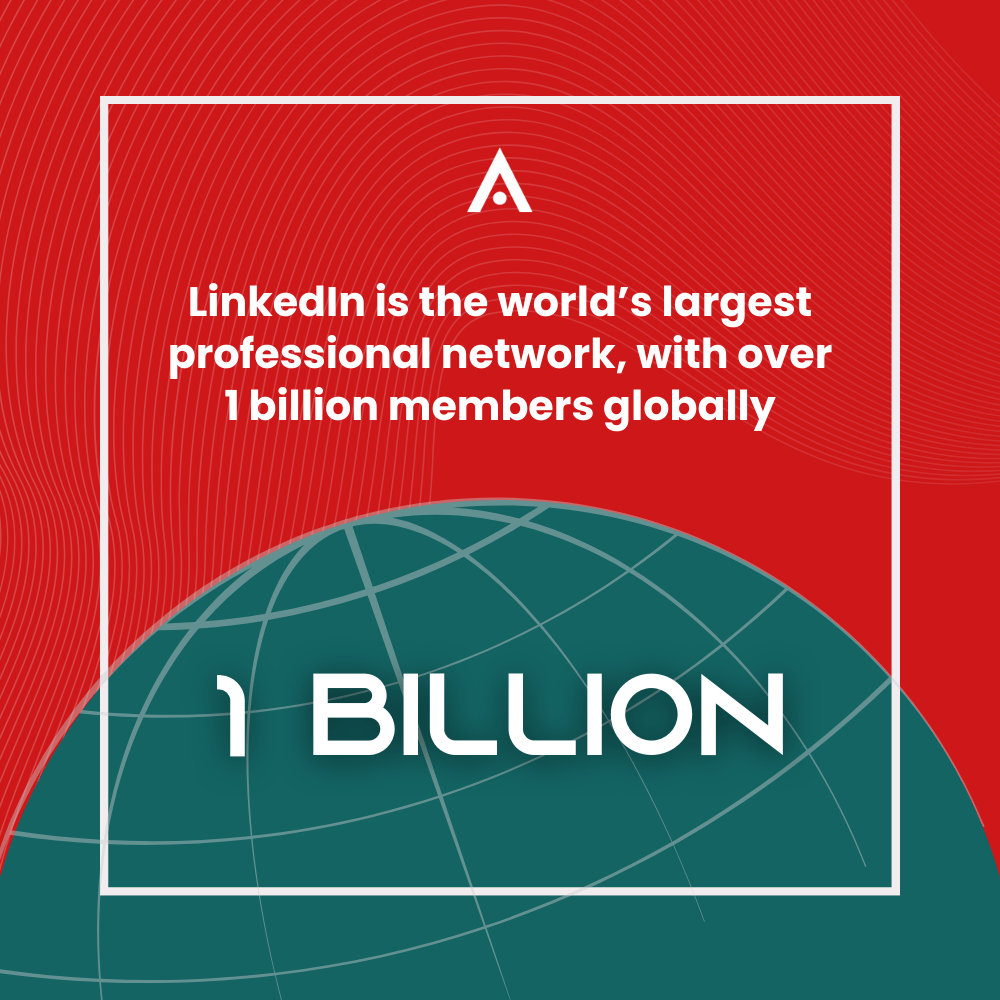
LinkedIn is the world’s largest professional network, with over 1 billion members globally. Its unique focus on professional connections makes it an ideal platform for identifying, targeting, and engaging decision-makers within your accounts. With advanced search filters, real-time updates, and personalised outreach capabilities, LinkedIn provides the tools needed to build relationships and drive account-level engagement.
Key LinkedIn Features for ABM
- Advanced Account and Contact Search: LinkedIn organic has a search feature that is underutilised. LinkedIn (Sales Navigator offers more advanced search) lets you pinpoint stakeholders and influencers within your target accounts using firmographics, seniority, function, and activity filters. This ensures your outreach is focused on the right people.
- Account Mapping and Lists: Organise buying-group members, champions, and blockers for each named account. Shared notes and lists help align marketing and sales teams, ensuring coordinated efforts.
- Real-Time Signals and Alerts: Stay updated on role changes, company news, and shared connections within your target accounts. These insights help you time your outreach effectively and personalise your messaging. You don’t need Sales Navigator to keep updated. You just need to “ring the bell” on that person’s profile to send you a notification when they post, comment, or make an update.
- Buyer Intent Insights: LinkedIn highlights accounts showing higher engagement with your company or category, helping you identify in-market accounts and prioritise outreach.
- CRM Sync and Activity Write-Back: Automatically log messages, notes, and connections into your CRM system, ensuring seamless integration and alignment between marketing and sales. If you don’t have a high-powered CRM with integration capabilities, you should still educate your team to keep your CRM activities up to date. This not only helps sales but also helps marketing.
Best Practices for ABM on LinkedIn
- Define Your Ideal Customer Profile (ICP): Use LinkedIn’s filters to create a precise ICP based on firmographics, industry, company size, and job roles. This ensures your ABM efforts are targeted at accounts with the highest conversion potential.
- Personalise Your Outreach: Leverage LinkedIn’s tools to craft tailored messages that resonate with individual stakeholders. Use insights from their profiles, such as recent posts, shared connections, or job changes, to make your outreach relevant and engaging. We keep testing this particular point within our business and our clients’ and know that this might take “extra time” but first impressions are still a thing and so important that your prospect or client doesn’t feel like “just a number”.
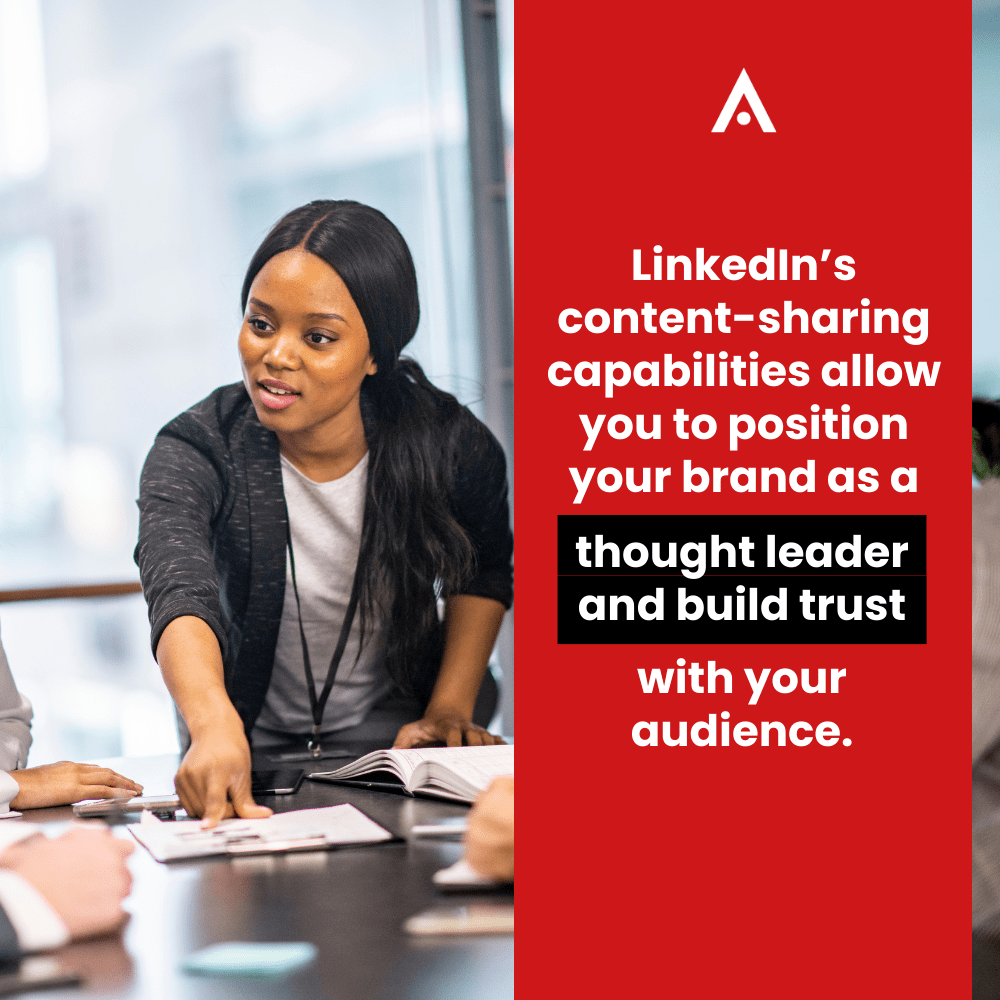
- Engage with Content: Share valuable content that addresses the pain points and interests of your target accounts. LinkedIn’s content-sharing capabilities allow you to position your brand as a thought leader and build trust with your audience.
- Monitor Engagement: Use LinkedIn’s analytics and engagement tracking to measure the effectiveness of your campaigns. Identify which accounts are interacting with your content and adjust your strategy accordingly. You can use the analytics on company posts as well as personal page posts now. Use them to see what gains the best traction!
- Align Marketing and Sales: Ensure your marketing and sales teams are working together by sharing LinkedIn insights and account data. We can’t stress this enough. Marketing wants to pull their hair out when great content isn’t shared and Sales complains when there are “no leads” but they don’t engage on LinkedIn. This alignment is crucial for delivering consistent messaging and maximising ABM impact.
Measuring Success
To prove ROI to your C-suite, focus on metrics that demonstrate the commercial impact of your LinkedIn ABM efforts. These include:
- Qualified Opportunities: Track new conversations and leads generated through LinkedIn outreach.
- Pipeline Growth: Measure the number of accounts added to your pipeline as a result of LinkedIn campaigns.
- Stakeholder Engagement: Monitor interactions with decision-makers, such as content views, DM responses, and connection requests.
- Revenue Attribution: Use your CRM updated with everyone’s LinkedIn activity directly to closed deals and revenue outcomes.
The Future of LinkedIn in ABM
As ABM continues to evolve, LinkedIn’s role in the strategy will only grow. With AI-driven tools and intent data integrations, LinkedIn can help marketers identify in-market accounts, personalise outreach, and optimise campaigns. By leveraging LinkedIn’s capabilities, B2B marketers can stay ahead of the curve and drive long-term commercial success.
In conclusion, LinkedIn is a vital tool for ABM, offering unparalleled access to professional networks and decision-makers. By using its advanced features and aligning marketing and sales efforts, businesses can create targeted, personalised campaigns that deliver measurable results. As the ABM landscape continues to shift, LinkedIn will remain a key platform for driving account-level engagement and revenue growth.
If you want to know more about how to mobilise your team, contact us today and set up a complimentary consultation.
Notes:
Reference document: B2B Martech Vendor Spotlight Report: Account-Based Marketing NOVEMBER 2025