


The New Reality of B2B Decision-Making
Picture this: Your ideal prospect has a problem. They begin researching solutions. But here’s what most sales leaders miss: by the time that prospect contacts you, they’ve already completed 70% of their buying journey. They’ve reviewed your competitors, read case studies, and formed opinions about credibility. The question isn’t whether they’ll buy. It’s whether they’ll buy from you.
In 2026, B2B marketing and sales have fundamentally transformed. The traditional playbook, cold calls, generic outreach, and product-first pitches no longer drive results in a landscape where buyers hold unprecedented control over the purchasing process.
The B2B Sales Challenge: Complexity, Length, and Consensus
The modern B2B sales environment presents formidable challenges that demand new approaches to building relationships and establishing trust.
Extended Sales Cycles Are the New Normal
Sales cycles have stretched dramatically. The typical B2B buying journey now spans 211 days, with 147 days occurring outside your sales pipeline before a prospect ever enters your CRM. Sales cycles have increased by 22% since 2022, with B2B Software-as-a-Service (SaaS) deals averaging 84 days across all segments. Enterprise deals can stretch beyond 180 days, with legal and procurement consuming 35-40% of total cycle time.
This isn’t a temporary fluctuation; it’s the evolution of how businesses make purchasing decisions. 75% of B2B buyers are taking longer to decide compared to previous years, driven by increased scrutiny, tighter budgets, and heightened risk aversion in uncertain markets.
The Consensus Purchase Complexity
Perhaps the most significant challenge facing B2B sales teams is the explosion in the number of decision-makers involved. The average B2B buying group has grown to 22 people, a dramatic increase from previous estimates of 7-10 decision-makers. This reflects the growing complexity of enterprise purchases, where stakeholders span multiple departments, legal teams, and approval chains.
Each stakeholder brings different priorities, concerns, and evaluation criteria. Finance scrutinizes ROI. IT evaluates integration capabilities. Legal reviews compliance. Operations considers implementation timelines. Building consensus across this diverse group requires a fundamentally different approach, one where trust and credibility are established long before the first sales conversation.

The Digital-First Research Journey
Modern B2B buyers are exceptionally well-informed. Before contacting a vendor, buyers review an average of 11 pieces of content, with 72% starting their research online. 78% of buyers have already established their requirements before reaching out, meaning your opportunity to influence their decision exists primarily in the research phase, not during the sales conversation.
This shift places enormous importance on digital presence, thought leadership, and the ability to provide value before formal engagement. Buyers are evaluating your credibility through your online content, your team’s expertise, and your reputation within their professional networks.
LinkedIn: The Strategic Imperative for B2B Growth
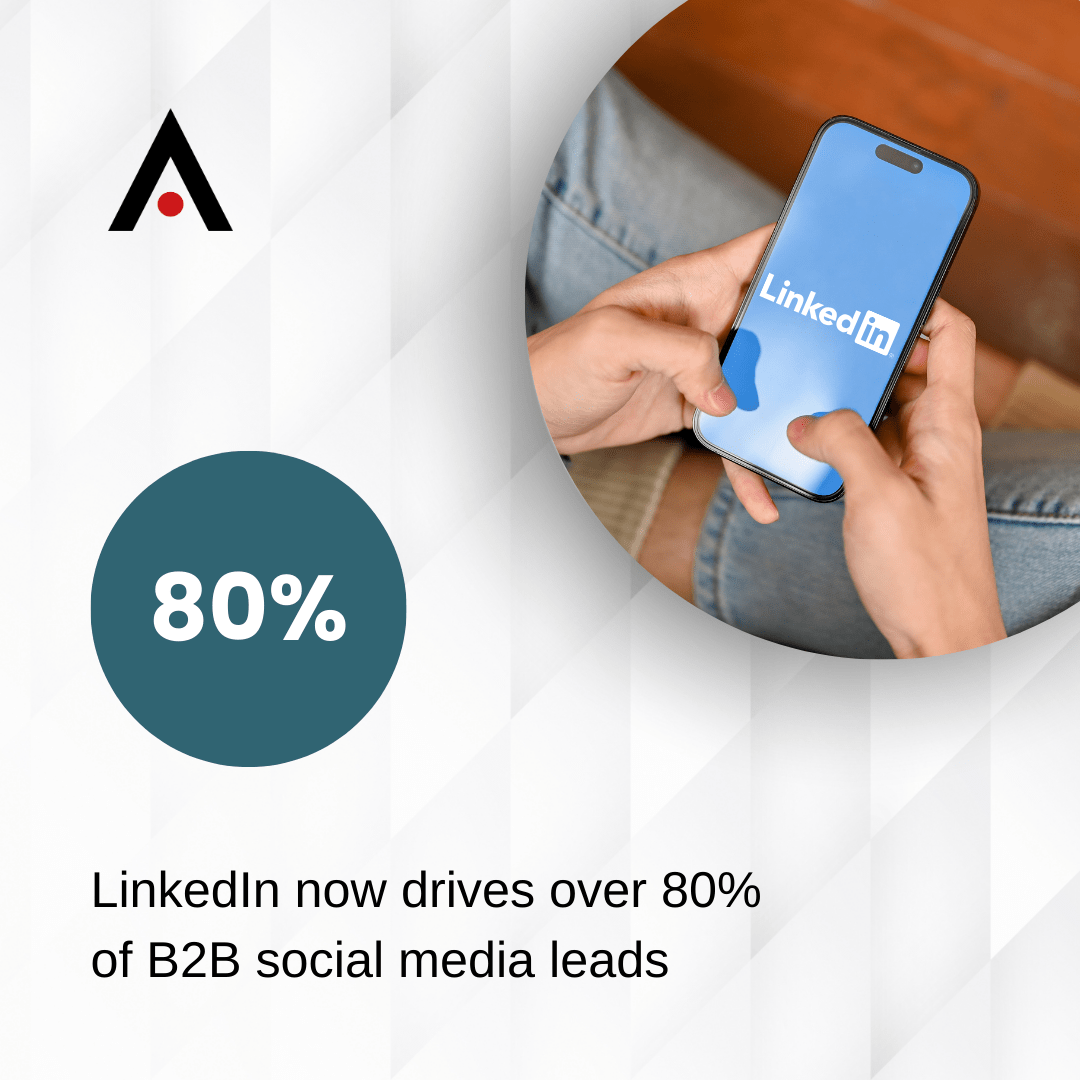
In this transformed landscape, LinkedIn has evolved from a professional networking platform into a critical revenue infrastructure. LinkedIn now drives over 80% of B2B social media leads, with 63% of marketers ranking it as the most effective B2B marketing channel.
Personal Brands Build Trust Before Deals Begin
The fundamental truth of 2026 is that people buy from people, not companies. When decision-makers research solutions, they’re also vetting the individuals behind them. Your LinkedIn profile isn’t personal branding; it’s pre-sales due diligence.

Trust has shifted from company to individual. Brand reputation still matters, but people now carry the brand into conversations. Sellers with established credibility build a pipeline even in challenging markets. Executives who demonstrate thought leadership create inbound momentum. Anonymous sellers are ignored, regardless of how strong their company’s logo is.
This represents a massive opportunity. When you invest in building a strong personal brand on LinkedIn, you’re creating trust equity that accelerates every subsequent sales conversation. Prospects arrive at meetings already convinced of your expertise, already familiar with your perspective, and already inclined to believe you can help them.
The Measurable Impact of Social Selling
The data on social selling effectiveness is compelling. LinkedIn’s Social Selling Index (SSI) has emerged as a predictive indicator of sales performance. Sales representatives with higher SSI scores generate 45% more opportunities and are 51% more likely to hit quota.
Organisations tracking social selling metrics report significant pipeline impact. For companies where social outreach drives 20% of pipeline, LinkedIn has become a core revenue channel, not an experimental tactic.
The platform enables sales professionals to:
- Establish authority through consistent thought leadership content
- Build relationships with buying committee members before formal outreach
- Create touchpoints that keep your solutions top-of-mind during long decision cycles
- Demonstrate expertise that differentiates you from competitors
- Engage decision-makers in authentic conversations rather than transactional pitches
Content as Conversation Catalyst
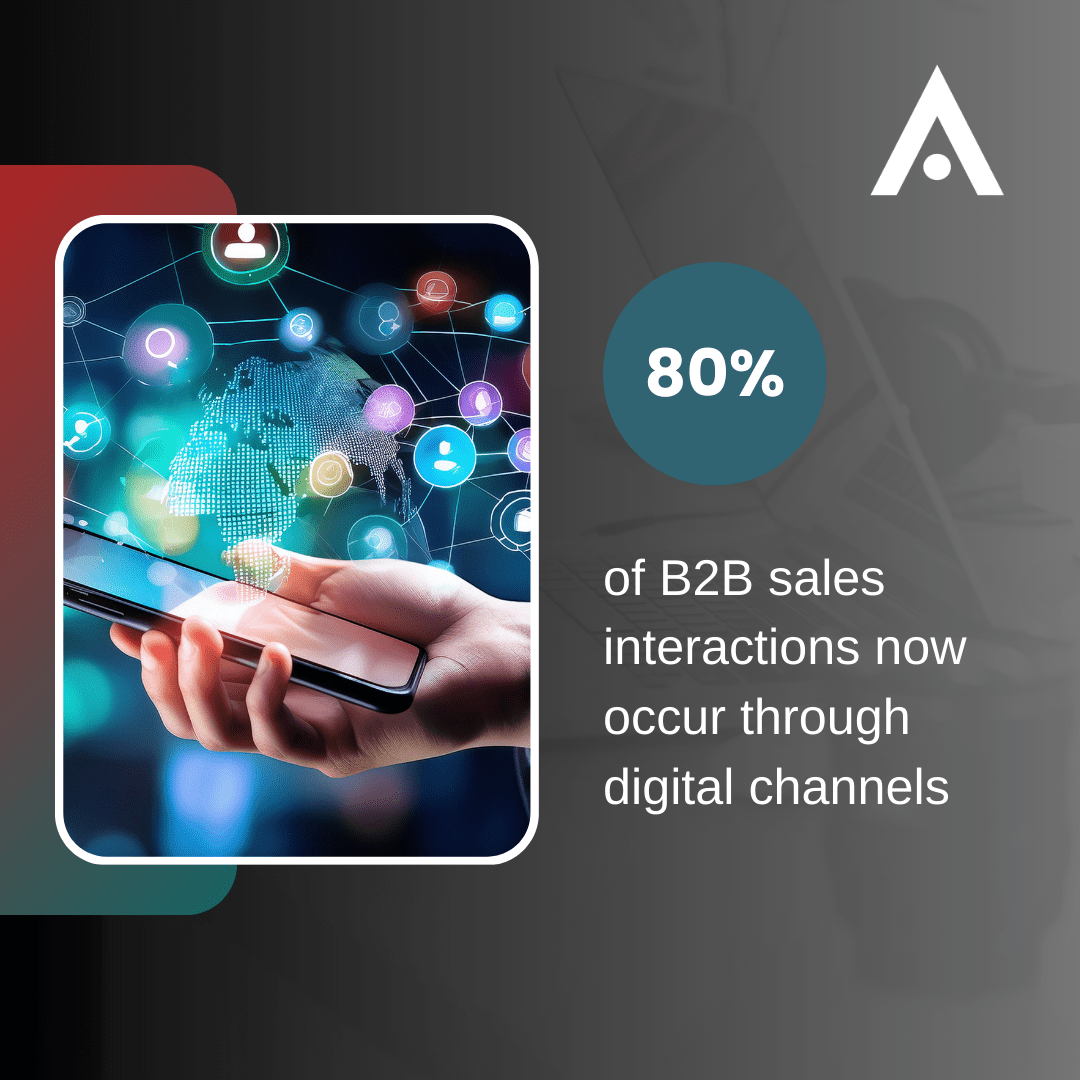
80% of B2B sales interactions now occur through digital channels, making your digital content strategy inseparable from your sales strategy. The content you share on LinkedIn serves multiple strategic functions: it educates prospects during their research phase, demonstrates your understanding of their challenges, positions your unique perspective, and creates natural conversation opportunities.
However, generic content fails to capture attention in an increasingly crowded digital landscape. What resonates is insight-led, perspective-driven content that reflects real-world experience and addresses specific pain points your audience faces. The shift from broadcast posting to conversation-driven engagement has become decisive for sales success.
How Training and Coaching Accelerate Sales Velocity
Understanding the importance of LinkedIn and social selling is one thing. Executing effectively is another. This is where structured training and ongoing sales coaching become force multipliers that directly impact sales cycle length and conversion rates.
From One-Time Events to Continuous Development
The gap has widened sharply between teams that invest in defined, coachable sales processes with modern discovery, value articulation, and consensus-building skills, and those still relying on individual “hero sellers.”
Organisations that treat training as an ongoing operating rhythm, not a one-off event, see measurable improvements in pipeline shape, deal quality, and forecast accuracy. The most successful sales teams in 2026 understand that social selling proficiency requires continuous skill development, supported by coaching, deal reviews, and qualification rigor.
Building the Right Capabilities
Effective LinkedIn training and sales coaching programs focus on several critical competencies:
- Strategic Profile Optimisation: Your LinkedIn profile must communicate value to prospects, not serve as a digital resume. Training helps sales professionals craft buyer-centric profiles that establish credibility and invite engagement.
- Thought Leadership Development: Sales teams need frameworks for consistently creating and sharing valuable content that resonates with their target audience. This includes identifying content pillars, developing unique points of view, and mastering storytelling techniques that make complex ideas accessible.
- Relationship-Building Skills: Social selling isn’t about broadcasting messages, it’s about building authentic relationships at scale. Training equips sales professionals with strategies for meaningful engagement, value-adding comments, and conversation initiation that feels natural rather than forced.
- Consensus Navigation: With 22 people involved in average B2B purchases, sales teams must learn to identify stakeholders, understand their concerns, and build relationships across the buying committee through LinkedIn engagement.
- Multi-Threading Techniques: The deals that close fastest have four or more active relationships within the buying organisation. Training helps sales professionals systematically build multiple connections that create resilience when one conversation stalls.
The Impact on Sales Cycle Velocity
When executed properly, LinkedIn training and sales coaching directly reduce sales cycle length through several mechanisms:
- Earlier Relationship Building: By engaging prospects during their research phase, long before they contact sales, you compress the trust-building period that traditionally consumed weeks of the sales cycle.
- Pre-Qualified Conversations: When prospects arrive at sales conversations already familiar with your expertise and perspective, discovery becomes more efficient, and objections are addressed proactively.
- Stakeholder Visibility: Active LinkedIn engagement reveals buying committee members you might not have identified through traditional discovery, allowing you to build relationships with influencers and decision-makers simultaneously rather than sequentially.
- Credibility Transfer: Strong personal brands create credibility that transfers to your solutions, reducing the scepticism and validation requirements that extend sales cycles.
- Continuous Touchpoints: During extended decision cycles, valuable LinkedIn content keeps your solution top-of-mind and maintains momentum without requiring formal sales activities.
The ROI of Sales Enablement
Organisations implementing comprehensive LinkedIn training and sales coaching programs report meaningful business impact. Teams shift from activity-based metrics to outcome-focused execution. Pipeline quality improves as sales professionals engage the right prospects with relevant messages. Forecast accuracy increases as deals progress through more predictable, repeatable processes.
The investment in training pays dividends across the sales organisation. Individual contributors develop skills that make them more effective throughout their careers. Sales managers gain common frameworks for coaching and development. Marketing teams align content with sales needs based on shared understanding of buyer journeys.
The Path Forward: Building Your 2026 Strategy
The convergence of extended sales cycles, complex buying committees, and digital-first research behaviour creates both challenge and opportunity for B2B organisations. Success in this environment requires treating LinkedIn not as a social media channel but as strategic revenue infrastructure.
- Start with clarity on personal brand positioning. Every member of your customer-facing team should have a clear, differentiated LinkedIn presence that communicates expertise and invites engagement.
- Invest in continuous enablement. One-time training events won’t drive sustained behaviour change. Build ongoing coaching rhythms that reinforce skills, celebrate successes, and address challenges.
- Measure what matters. Track leading indicators like SSI scores, engagement rates, and relationship-building activities alongside traditional pipeline metrics. Social selling impact often shows up in pipeline quality and velocity before it appears in closed revenue.
- Create a culture of sharing. The most effective organisations make thought leadership and social selling part of everyone’s role, not a specialized function for select team members.
- Align around buyer experience. Everything, from profile optimisation to content strategy to engagement approach, should centre on making the buyer’s journey easier, not on making your sales process more convenient.
The Bottom Line
In 2026, your ability to build trust, demonstrate expertise, and establish relationships before formal sales engagement isn’t optional; it’s the foundation of competitive advantage. The B2B sales landscape rewards organisations that meet buyers where they are, provide value throughout their research journey, and earn the right to sales conversations through credibility and relevance.
LinkedIn personal branding and social selling, supported by world-class training and coaching, offer a proven path to reducing sales cycles, improving win rates, and building a sustainable pipeline in an increasingly complex selling environment.
The question isn’t whether to invest in these capabilities. It’s whether you can afford not to while your competitors build relationships with your prospects during those critical 147 days before they ever contact sales.
Your move.


